
ICOMOS Lebanon

Ensemble of Historical Monuments and Natural Sites of the Village of Menjez

Tentitive Sites Ensemble of Historical Monuments and Natural Sites of the Village of Menjez In Menjez, the dialogue between stone and landscape reveals a continuity of human presence stretching from prehistory to the modern day. Historical Significance The Ensemble of Historical Monuments and Natural Sites of the Village of Menjez represents a rare convergence of prehistoric, classical, and later cultural layers within a single preserved landscape. Its most significant feature is the largest known megalithic necropolis in Lebanon, dating to the Chalcolithic and Early Bronze Age (4th–3rd millennia BC), composed of numerous basalt dolmen tombs that testify to early funerary traditions in the region. The site also includes a basalt-built temple, possibly Hellenistic and linked to the cult of Nemesis, alongside Roman hydraulic systems and Crusader remains. Together, these elements illustrate a long and continuous pattern of human occupation and adaptation. About the Site Located in Akkar, along the banks of the Nahr el-Kabir near the Syrian border, Menjez is distinguished by its unique use of basalt as a primary construction material. The archaeological remains are dispersed across a natural landscape that includes forested areas and open terrain, creating a strong visual and functional relationship between built heritage and environment. The village itself preserves a coherent 19th-century architectural fabric, also constructed in basalt, reflecting continuity in local building traditions. Cultural and Environmental Relevance Menjez stands out not only for its archaeological richness but also for its integration within a biodiverse natural setting. The surrounding forests, home to endemic Mediterranean species, enhance the site’s value as a cultural landscape where human activity has coexisted with and adapted to the natural environment over millennia. This interplay between nature and heritage reinforces its significance as a place where ecological and cultural continuity are deeply interconnected. Open User Map This block will show your Locations on a map in the front end. Custom Map Position (optional): Latitude Longitude Zoom Filter Locations (optional): Filter by Marker Categories [PRO] Filter by POST IDs Witness damage or threat to this site? Report it immediately. Report Damage Report

Ensemble of Historical Monuments and Natural Sites of the Village of Menjez Read More »

Archaeological Site of Nahr el-Kalb

Tentitive Sites Archaeological Site of Nahr el-Kalb At Nahr el-Kalb, history is not buried beneath the ground-it is carved into the landscape itself, layer after layer, empire after empire. Historical Significance The Archaeological Site of Nahr el-Kalb stands as one of the most remarkable commemorative landscapes in the Near East, documenting over three millennia of political and military history. Since the 13th century BC, conquering powers have marked this strategic coastal passage with inscriptions and reliefs, beginning with the Egyptian Pharaoh Ramses II. The site preserves an exceptional sequence of 22 stelae and inscriptions from successive civilizations, including Assyrian, Neo-Babylonian, Greek, Roman, Mamluk, Ottoman, and modern periods. Written in multiple scripts-hieroglyphic, cuneiform, Greek, Latin, Arabic, and more-it forms a unique epigraphic archive reflecting the continuity of historical memory in the region. About the Site Located approximately 15 km north of Beirut, the site occupies a narrow coastal corridor where the mountains meet the Mediterranean, historically serving as a key transit route linking north and south. The inscriptions are carved directly into the limestone cliffs overlooking the passage, creating a striking visual record of successive dominations. Each monument was deliberately placed to assert control over this strategic route, transforming the landscape into a symbolic gateway marked by power and presence. Cultural and Contemporary Relevance Nahr el-Kalb remains a powerful symbol of Lebanon’s role as a crossroads of civilizations. Unlike traditional archaeological sites, its significance lies in the accumulation of historical narratives rather than a single period of occupation. The continued addition of modern commemorative inscriptions highlights its enduring function as a site of memory, where past and present intersect. It stands today not only as a record of conquest, but as a rare cultural space where history has been continuously inscribed rather than erased. Open User Map This block will show your Locations on a map in the front end. Custom Map Position (optional): Latitude Longitude Zoom Filter Locations (optional): Filter by Marker Categories [PRO] Filter by POST IDs Witness damage or threat to this site? Report it immediately. Report Damage Report
Archaeological Site of Nahr el-Kalb Read More »

Historic Centre of Saida

Tentitive Sites Historic Centre of Saida (Sidon) Sidon is a city where the Mediterranean meets millennia of uninterrupted human history, shaping a legacy of trade, craftsmanship, and cultural exchange. Historical Significance The Historic Centre of Saida (ancient Sidon) represents one of the oldest continuously inhabited urban settlements in the Mediterranean, with origins dating back to the 4th millennium BC. As a प्रमुख center of Phoenician civilization, Sidon played a pivotal role in maritime trade and was internationally renowned for its production of purple dye, glass, and fine craftsmanship. Over successive periods—Phoenician, Greek, Roman, Byzantine, Crusader, and Ottoman—the city developed a rich and layered urban identity. Its surviving monuments and archaeological remains illustrate a continuous evolution of cultural and architectural traditions across more than five millennia. About the Site Located approximately 40 km south of Beirut, Saida’s historic core extends between the Sea Castle and the Land Castle, forming a compact and densely built urban environment centered around its historic port. The city’s fabric includes a wide range of structures, from Crusader fortifications and religious buildings to khans, hammams, and traditional souks. This spatial organization reflects the enduring importance of trade and maritime activity, with the port acting as a focal point for economic and social life throughout its history. Cultural and Contemporary Relevance Today, Saida remains a vibrant coastal city where heritage is actively integrated into everyday life. Its markets, artisanal practices, and urban rhythms continue to echo its historic role as a center of exchange and production. The coexistence of ancient structures with living communities reinforces its identity as a dynamic cultural landscape, where continuity is not only preserved in stone but sustained through ongoing social and economic traditions. Open User Map This block will show your Locations on a map in the front end. Custom Map Position (optional): Latitude Longitude Zoom Filter Locations (optional): Filter by Marker Categories [PRO] Filter by POST IDs Witness damage or threat to this site? Report it immediately. Report Damage Report
Historic Centre of Saida Read More »

Ancient City of Tripoli

Tentitive Sites Ancient City of Tripoli Tripoli stands as a rare testament to the continuity of urban life in the eastern Mediterranean, where centuries of history remain embedded in its streets, structures, and traditions. Historical Significance The Ancient City of Tripoli reflects a layered history shaped by successive civilizations, including Roman, Byzantine, Crusader, Mamluk, and Ottoman periods. Its defining transformation came in 1289, when the Mamluk Sultan Qalawun rebuilt the city following the Crusader occupation. This reconstruction established Tripoli as one of the most complete and coherent examples of a Mamluk coastal city. With over 160 preserved monuments—ranging from mosques and madrasas to khans, hammams, and fortified structures—the city embodies a rich architectural and cultural legacy that illustrates the evolution of urban life in the Levant. About the Site Located approximately 85 km north of Beirut, Tripoli remains Lebanon’s second-largest city and the capital of the North. Its historic core is characterized by a dense urban fabric centered around traditional souks and interconnected neighborhoods. Notable landmarks include the Citadel of Saint-Gilles, Khan al-Khayatin, and Khan al-Saboun, alongside numerous religious and civic buildings. The city’s distinctive “hosh” courtyard housing typology continues to define residential life, preserving a unique spatial organization that has endured for centuries. Cultural and Contemporary Relevance Tripoli is not a static historical site but a living city where heritage and daily life remain deeply intertwined. Its markets, crafts, and social structures continue to reflect long-standing traditions, sustaining economic and cultural practices that date back to medieval times. This continuity reinforces Tripoli’s value as a living example of an Islamic urban center, where authenticity is not only preserved in architecture but also in the rhythms of everyday life. Open User Map This block will show your Locations on a map in the front end. Custom Map Position (optional): Latitude Longitude Zoom Filter Locations (optional): Filter by Marker Categories [PRO] Filter by POST IDs Witness damage or threat to this site? Report it immediately. Report Damage Report
Ancient City of Tripoli Read More »

5th extraordinary meeting of the Committee : Enhanced Protection for Cultural Heritage in Lebanon

5th extraordinary meeting of the Committee : Enhanced Protection for Cultural Heritage in Lebanon H.E. Hind Ghrayeb, Permanent Delegate of Lebanon to UNESCO April 1, 2026 ICOMOS Lebanon Source Armed Conflict, Blue Shield, Enhanced Protection, Hague Convention 1954 In 2024, following escalating hostilities and direct threats to cultural heritage, Lebanon formally requested international protection for its most vulnerable sites. Responding to this urgent appeal, UNESCO granted Enhanced Protection to 34 cultural properties under the 1954 Hague Convention, placing them under the highest level of legal protection against attack and military use. This unprecedented decision reflected both the severity of the risks faced by Lebanon’s heritage and its recognition as a shared heritage of humanity requiring immediate safeguarding. Building on this milestone, the Fifth Extraordinary Meeting of the Committee for the Protection of Cultural Property in the Event of Armed Conflict has now extended Enhanced Protection to 39 cultural properties in Lebanon. This expansion underscores the international community’s strong commitment to safeguarding the country’s cultural heritage amid ongoing threats and instability. The inscription of these properties on the International List of Cultural Property under Enhanced Protection highlights their outstanding significance for humanity and the urgent need for coordinated protective measures. Enhanced Protection, established under the Second Protocol (1999) to the 1954 Hague Convention, provides the highest level of legal immunity. It ensures that protected sites cannot be targeted by military attack or used for military purposes. Any violation constitutes a serious breach of international law and may lead to criminal responsibility. The Blue Shield emblem symbolizes the collective efforts of Lebanese national institutions, international and local organizations, and dedicated experts working together to protect these sites and strengthen cultural resilience in times of armed conflict. This achievement is the result of a sustained collective effort. At its core stands the dedicated work of the Directorate General of Antiquities (DGA) team in Lebanon, whose commitment, technical preparation, and continuous follow-up were instrumental in bringing this process to completion. This was carried forward in close coordination with the UNESCO Beirut Office, whose support and facilitation played a key role throughout. The process was further strengthened by the engagement of the UNESCO Secretariat, the support of the States Parties that endorsed Lebanon’s request, and the valuable financial and technical contributions of observers. Together, these combined efforts demonstrate the strength of collaborative action in protecting cultural heritage. They ensure that Lebanon’s cultural properties now benefit from the highest level of international protection, reaffirming their value not only at the national level, but for humanity as a whole. Consult the full list of protected sites: here 5th extraordinary meeting of the Committee

5th extraordinary meeting of the Committee : Enhanced Protection for Cultural Heritage in Lebanon Read More »

Byblos in Paris

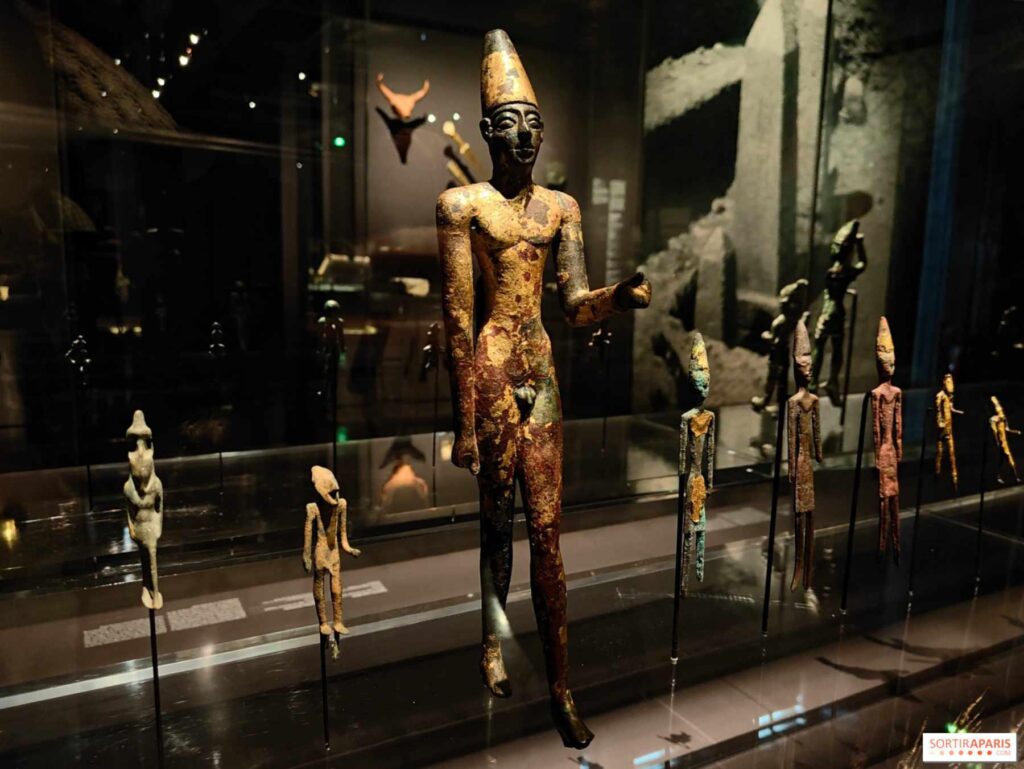
“Byblos in Paris”: Macron Highlights Lebanese Heritage and Calls for Its Protection March 29, 2026 ICOMOS Lebanon Source Byblos, Cultural Heritage Protection, Lebanese Cultural Heritage French President Emmanuel Macron officially opened the exhibition “Byblos in Paris”, dedicated to showcasing the historical and cultural richness of Lebanon’s heritage. The exhibition focuses on the ancient city of Byblos, presenting its long history and archaeological significance to an international audience, and reaffirming its status as one of the world’s oldest continuously inhabited cities. Speaking at the event, Macron underlined the importance of protecting cultural heritage, particularly in regions affected by conflict. He warned against threats to heritage sites and stressed that such landmarks must be preserved as part of a shared human legacy. The initiative takes place against a backdrop of ongoing regional tensions, drawing attention to the risks faced by cultural sites in Lebanon and across the Middle East. It also reinforces the broader call for adherence to international frameworks aimed at safeguarding heritage during times of crisis. Byblos: The Millennial City of Lebanon is open until August 23, 2026 at the Arab World Institute.

Byblos in Paris Read More »

ICOMOS Statement on the Protection of Cultural Heritage Amid Escalating Conflict

ICOMOS Statement on the Protection of Cultural Heritage Amid Escalating Conflict March 26, 2026 ICOMOS Lebanon Source Armed Conflict, Cultural Heritage Protection, ICOMOS Statement ICOMOS Lebanon aligns with the position of ICOMOS International and reiterates its deep concern regarding the recent escalation of conflict in the Middle East and its devastating human consequences, including the loss of life, increasing casualties, and the displacement of populations, with serious implications for cultural continuity. ICOMOS strongly condemns any destruction – whether intentional or incidental-of cultural and natural heritage, and recalls that cultural heritage must never be considered a target. Serious concern is raised over confirmed and reported damage to cultural heritage across the region, including impacts on several World Heritage properties. These include damage to sites such as the archaeological site of Tyre. Such incidents highlight the risk of irreversible loss. Cultural heritage constitutes an essential component of social structures, sustaining identity, continuity, and cohesion, particularly in times of crisis and displacement. ICOMOS recalls the obligations set out under the 1954 Hague Convention for the Protection of Cultural Property in the Event of Armed Conflict and its Protocols. It further notes that serious violations, including the destruction of cultural property, may entail individual criminal responsibility under international humanitarian law, including under the Rome Statute of the International Criminal Court. ICOMOS calls on all parties to fully respect their obligations under international law and to ensure the protection of cultural heritage and the communities who sustain it.

ICOMOS Statement on the Protection of Cultural Heritage Amid Escalating Conflict Read More »

Enhanced Protection Blue Shield Emblems Placed on Heritage Sites in Tyre

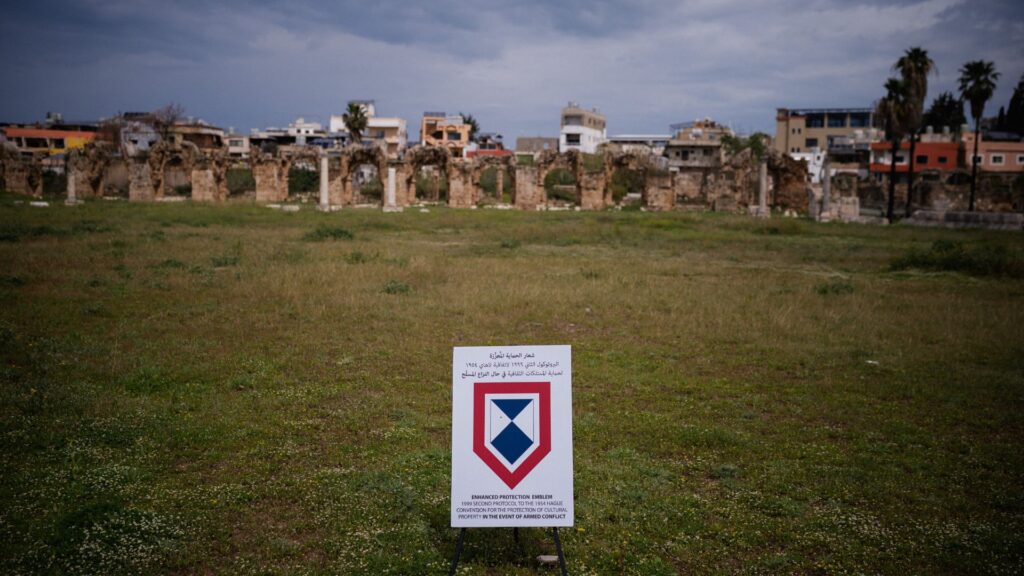
Enhanced Protection Blue Shield Emblems Placed on Heritage Sites in Tyre March 25, 2026 ICOMOS Lebanon Source 1954 Hague Convention, Enhanced Protection, Tyre Archaeological Site Enhanced Protection Blue Shield emblems have been installed on several archaeological and cultural sites in Tyre, identifying them as cultural property placed under enhanced protection in accordance with the 1954 Hague Convention for the Protection of Cultural Property in the Event of Armed Conflict and its Second Protocol. This marking formally designates the highest level of protection granted under the Convention, recognizing the exceptional cultural and historical value of these sites. It reinforces their status as heritage of major importance that must be safeguarded and remain strictly protected from use or targeting in the event of armed conflict. The placement of these outlined emblems comes amid increasing concern regarding the exposure of cultural heritage in southern Lebanon. In this context, the designation constitutes a clear reminder of the binding obligations incumbent upon all parties to ensure the respect and protection of cultural property under international humanitarian law.

Enhanced Protection Blue Shield Emblems Placed on Heritage Sites in Tyre Read More »

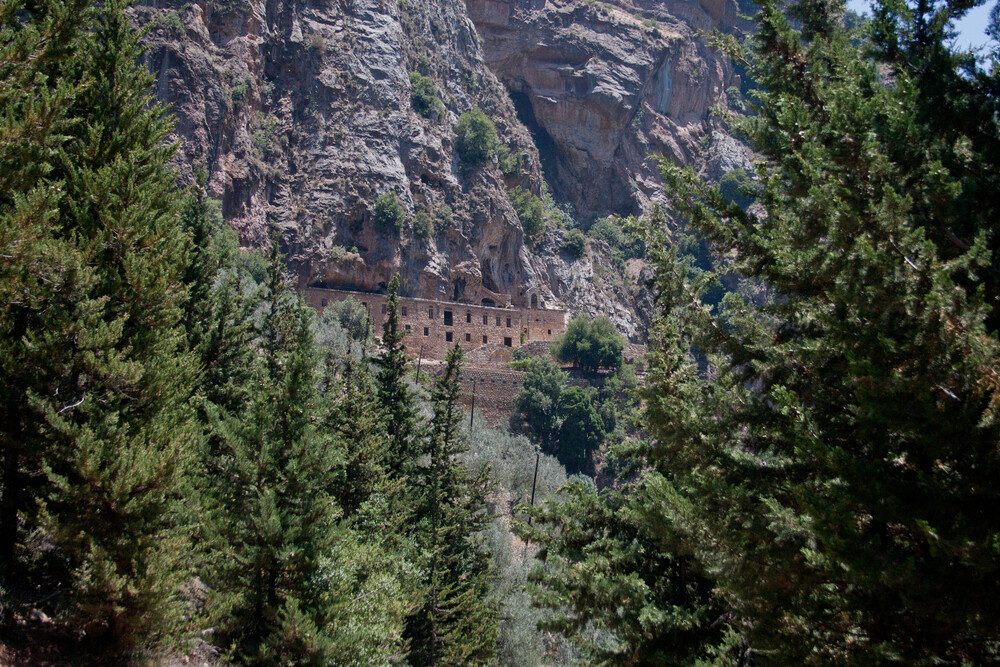
Monastery buildings set into the rocky cliffs of the Qadisha Valley, Lebanon, surrounded by dense forest.

The Holy Valley (Qadisha) and the Forest of the Cedars of God

World Heritage Site The Holy Valley (Qadisha) and the Forest of the Cedars of God The Holy Valley and its ancient cedars form one of the most important early Christian monastic landscapes. Historical Significance The Qadisha Valley has served as a refuge for religious communities since the earliest centuries of Christianity. The Temple Complex At the head of the valley stands one of the last remaining groves of the Cedars of Lebanon. Photo © Sara Calado / Unsplash Spiritual & Natural Heritage The inscribed property uniquely combines cultural and natural heritage. Quick Facts Region                    North Lebanon Period                    4th century – present Inscribed               1998 Criteria                  (iii)(iv) View on UNESCO Open User Map This block will show your Locations on a map in the front end. Custom Map Position (optional): Latitude Longitude Zoom Filter Locations (optional): Filter by Marker Categories [PRO] Filter by POST IDs Witness damage or threat to this site? Report it immediately. Report a Threat Report

The Holy Valley (Qadisha) and the Forest of the Cedars of God Read More »

Rachid Karami International Fair-Tripoli

World Heritage Site Rachid Karami International Fair -Tripoli A masterpiece of Modernist architecture by Oscar Niemeyer, Lebanon’s most recent UNESCO inscription. Historical Significance Commissioned in 1962, the fairground was designed by the legendary Brazilian architect Oscar Niemeyer. Architectural Vision The complex spans approximately 70 hectares and features 15 structures including a sweeping experimental theater. Photo © Jad Tabet / UNESCO Conservation & Future The site’s inscription on the World Heritage List in 2023 marked a significant milestone for Lebanon’s modern heritage. Quick Facts Region                   Tripoli Inscribed               2023 Criteria                  (ii)(iv) View on UNESCO Open User Map This block will show your Locations on a map in the front end. Custom Map Position (optional): Latitude Longitude Zoom Filter Locations (optional): Filter by Marker Categories [PRO] Filter by POST IDs Witness damage or threat to this site? Report it immediately. Report a Threat Report

Rachid Karami International Fair-Tripoli Read More »