Welcome to ICOMOS Lebanon
Rooted in History, Committed to Preservation
ICOMOS Lebanon is dedicated to safeguarding the rich cultural heritage of Lebanon, promoting the preservation of World Heritage Sites, and advocating for sustainable practices in heritage management.
Photo Credits:
1. Baalbek: ©Unsplash
2. Anjar: © Unsplash
3. Cedar Forest: © Unsplash
4. Cedar Forest: © Nicolas TAWK
5. Qadisha Valley: © Nicolas TAWK
6. Tyr: © Unsplash
7. Byblos: © UNESCO
8. Byblos: © UNESCO
9. Byblos: © UNESCO
10. Rachid Karameh International Fair: © UNESCO
Live Updates
-
Levantine Soul: Inside a Sydney Home That Celebrates Lebanese Heritage - Vogue Arabia
Date: 27-10-2026
-
Lebanon looks to balance growth with farming heritage - Axios
Date: 22-10-2026
-
RLWC26, World Cup, Lebanon, Tonga, Francis brothers, Hopoate, family rivalry - Rugby League World Cup 2026
Date: 22-10-2026
-
32+ Magical Pictures Of Sawfar In Lebanon - 961 News
Date: 21-10-2026
-
This Multi-Awarded Lebanese Jewelry Designer Fuses Her Art With Her Heritage - 961 News
Date: 21-10-2026
What We Do
Introduction
ICOMOS Lebanon is the Lebanese National Committee of the International Council on Monuments and Sites (ICOMOS), an independent international non-governmental organisation dedicated to the protection, and conservation of monuments, sites, and cultural heritage.
Who We Are
ICOMOS Lebanon brings together professionals from diverse disciplines, such as architecture, archaeology, conservation, heritage management, cultural studies, urban planning, engineering, and related fields, who contribute their expertise in accordance with international standards.
Vision
ICOMOS Lebanon envisions a future in which Lebanon’s cultural heritage is protected through informed conservation practices, integrated into sustainable development strategies, valued as a shared cultural, social, and historical resource, and transmitted to future generations.
Values
ICOMOS Lebanon is guided by principles of scientific integrity, independence of expertise, and objective professional judgment. It promotes interdisciplinary collaboration across disciplines and institutions, safeguards cultural heritage by respecting cultural diversity.
Principles
ICOMOS Lebanon’s decisions are grounded in research, documentation, and professional standards. It provides objective advice free from political influence, constructive engagement with stakeholders, commitment to long-term heritage stewardship.
Mission
ICOMOS Lebanon’s mission is to promote the theory, methodology, and practice of cultural heritage conservation in Lebanon, in alignment with international charters, conventions, and guidelines, including those of ICOMOS Int. and UNESCO, while advancing knowledge and best practices.
History
The Origin of ICOMOS
ICOMOS as an International Organisation
ICOMOS was founded on the 22nd of June 1965 following the adoption of the Venice Charter (1964), with the aim of developing and promoting international standards for the conservation of monuments and sites. Since its creation, ICOMOS has served as UNESCO’s principal advisory body on cultural heritage for the World Heritage Convention.
ICOMOS Lebanon
ICOMOS Lebanon was established on the 22nd of February 2017 to address the specific challenges facing cultural heritage in Lebanon, including urban pressure, conflict-related damage, lack of resources, and the need for capacity building. The National Committee contributes expert knowledge at the national and international levels.
Upcoming Events
There is no Event
News & Updates
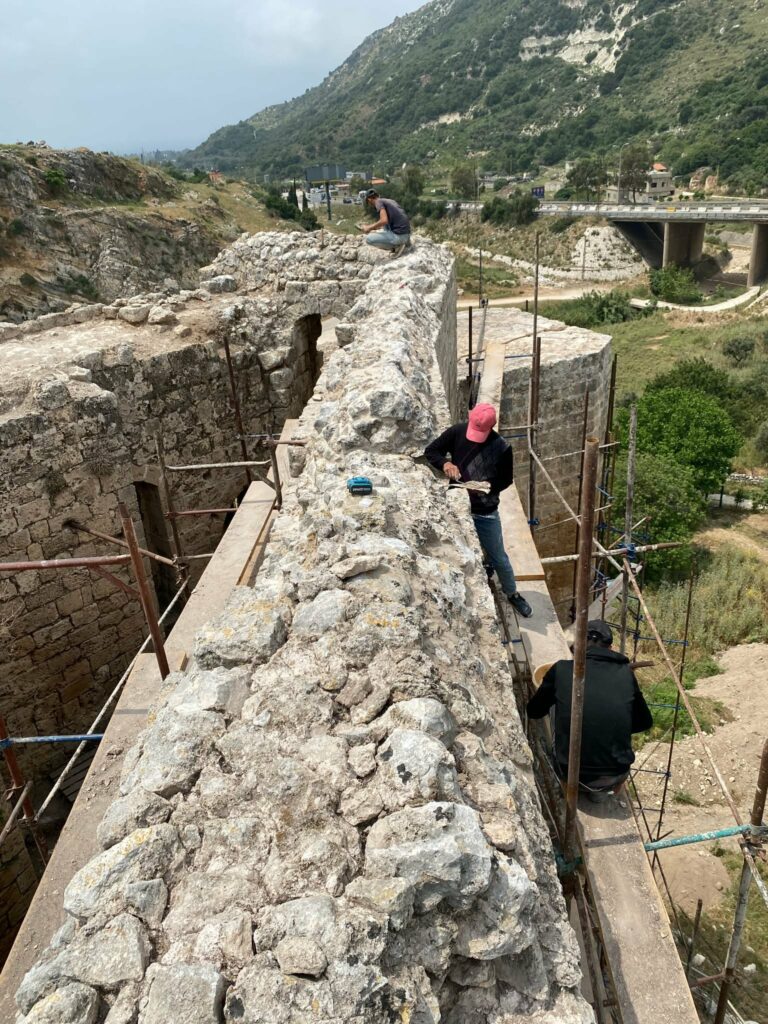
Latest from Our Socials
Lebanon Through Your Lens
July 2026 Edition
#PhotoFriday
Every first Friday of the month, ICOMOS Lebanon features a photograph celebrating the richness and diversity of Lebanon's cultural heritage.
From iconic monuments to hidden architectural details, cultural landscapes, and everyday heritage scenes, each selected image offers a fresh perspective on the places that shape our shared memory.
Do you have a photograph that captures the spirit of heritage in Lebanon?
A Coast Protected by Love, Marked by Tragedy
- Tyre Beach, Tyre, Lebanon
- July 2026
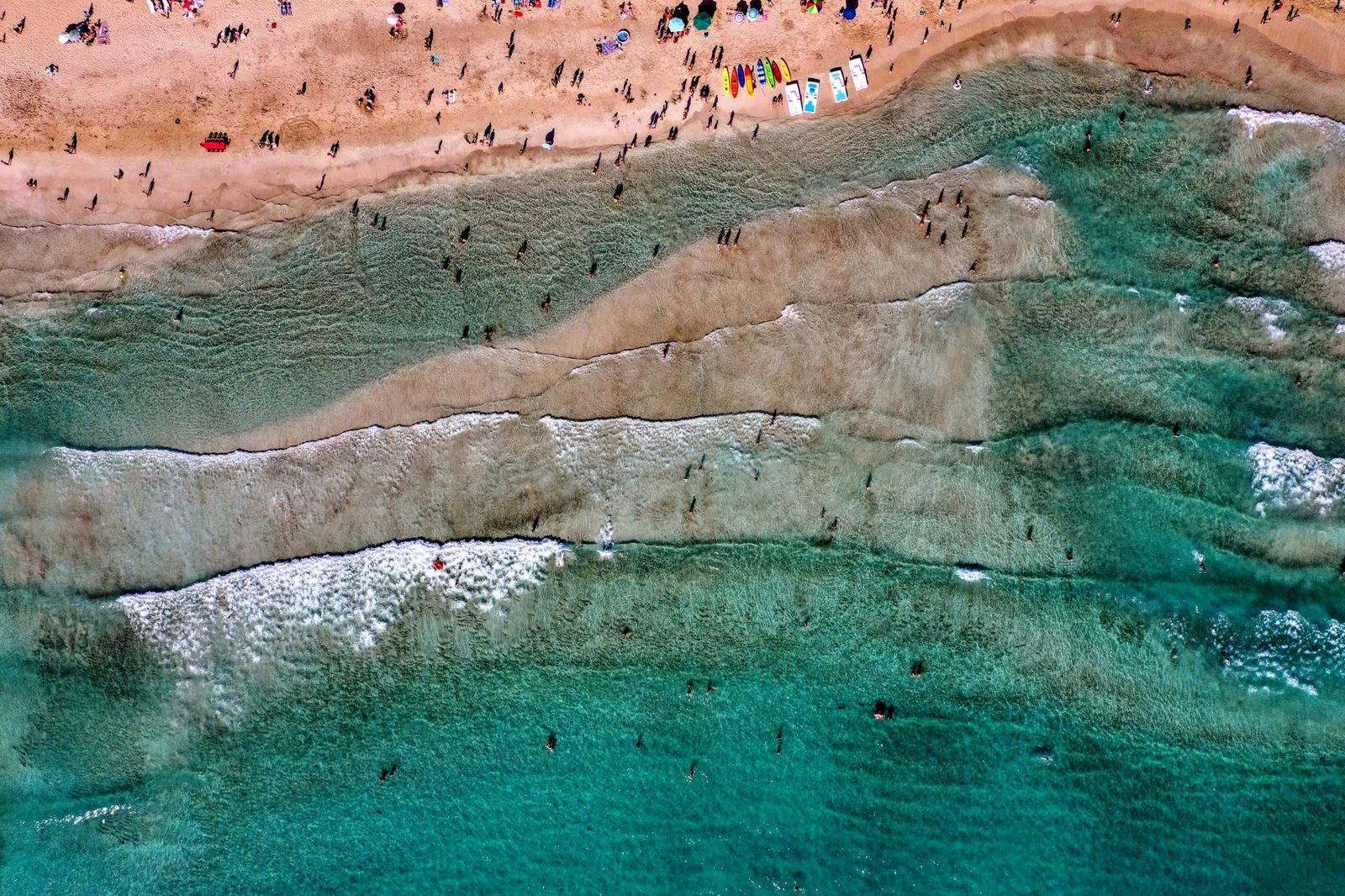
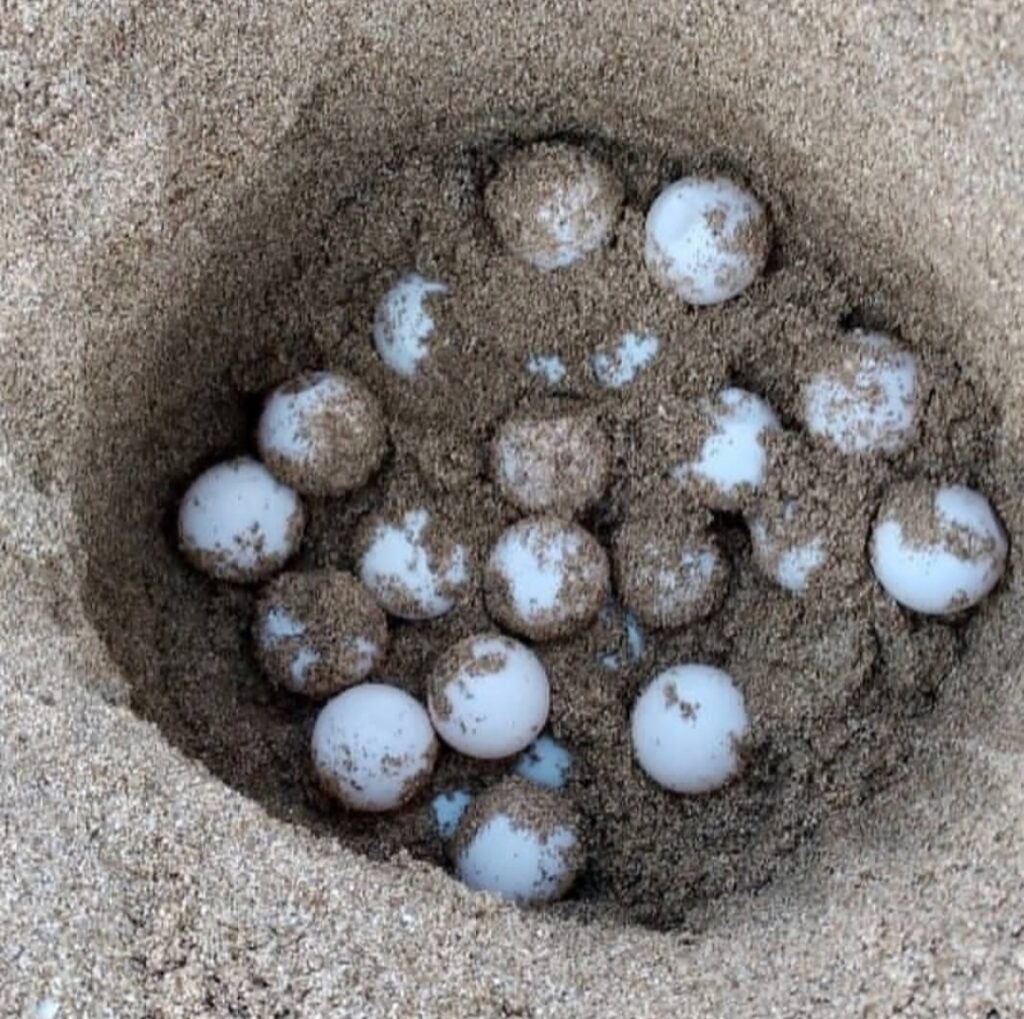
From above, the shoreline of Al Mansouri unfolds as a meeting place between sea and sand, where the turquoise waters of the Mediterranean gently cross one of Lebanon’s most important natural landscapes. Beneath this striking beauty lies one of the Eastern Mediterranean’s most significant nesting grounds for endangered loggerhead and green sea turtles—a place whose future was transformed by the dedication of one remarkable woman.
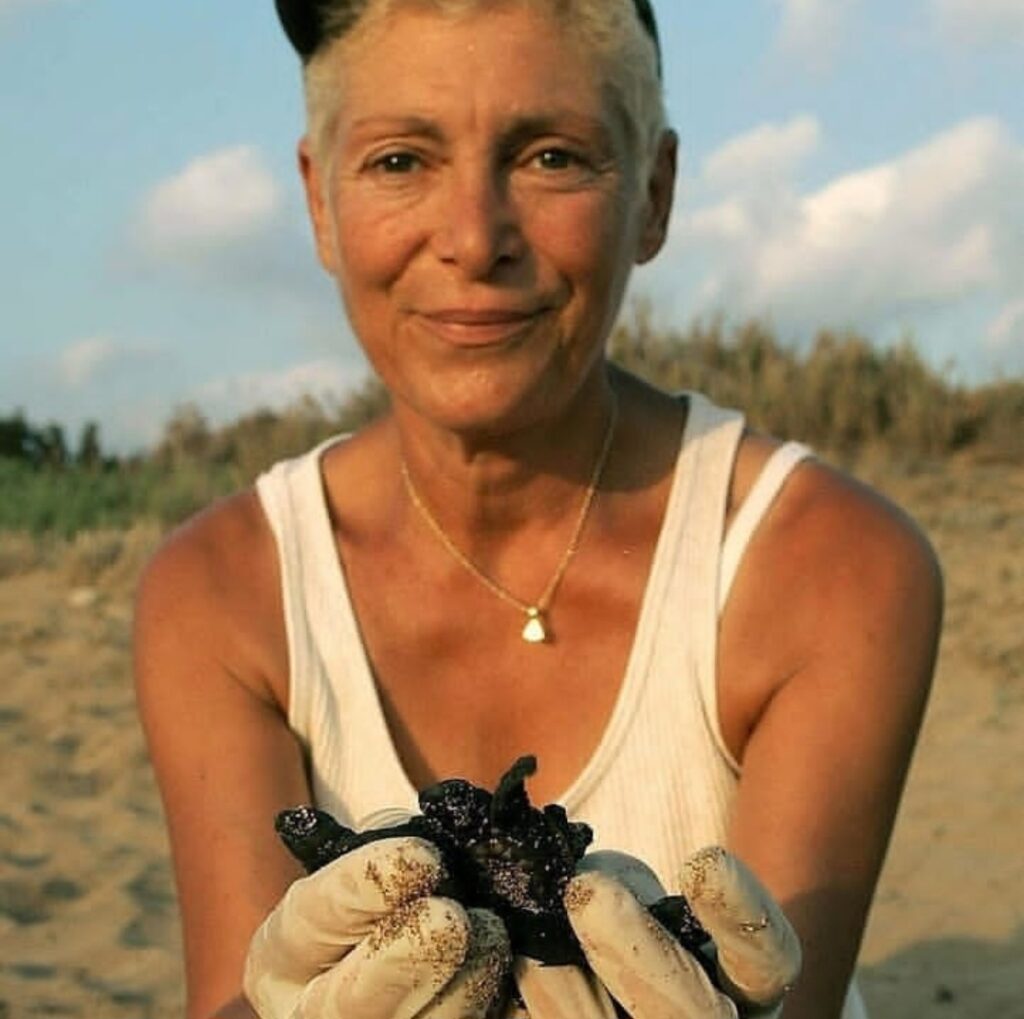
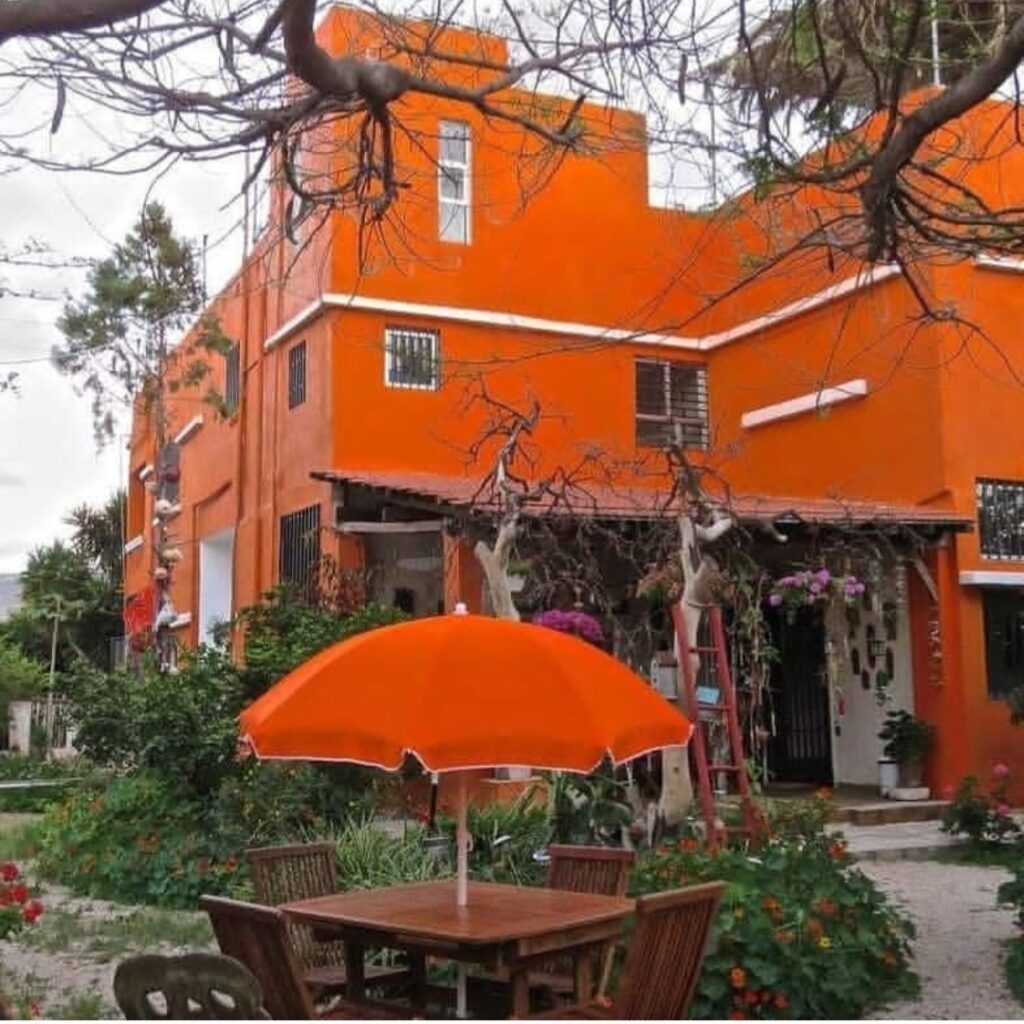
This Photo Friday is dedicated to the memory of Mona Khalil, founder of the Orange House Project, who tragically lost her life after being critically injured in an attack on her home in June 2026. For more than twenty-five years, Mona devoted herself to protecting the fragile ecosystems of Lebanon’s southern coast, proving that the conservation of heritage extends far beyond monuments to include the landscapes, species, and communities that give places their meaning.
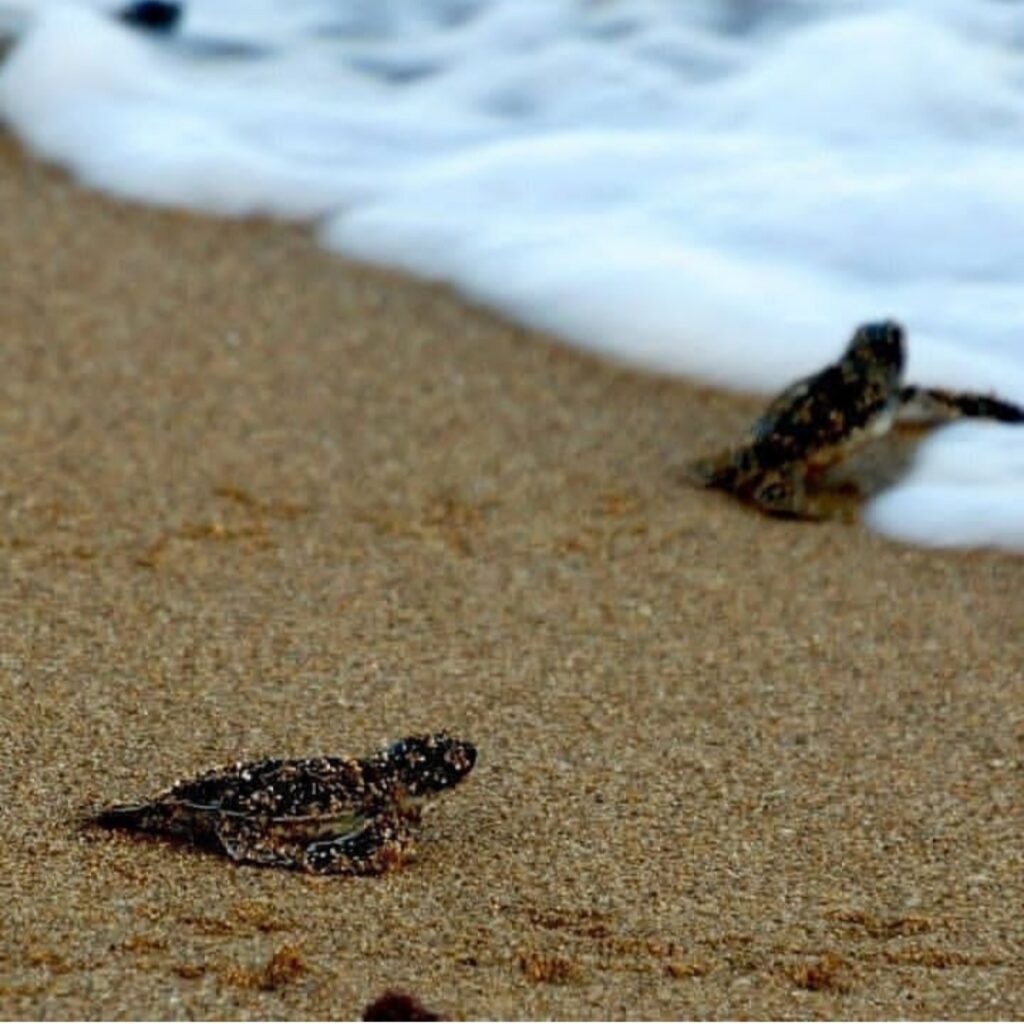
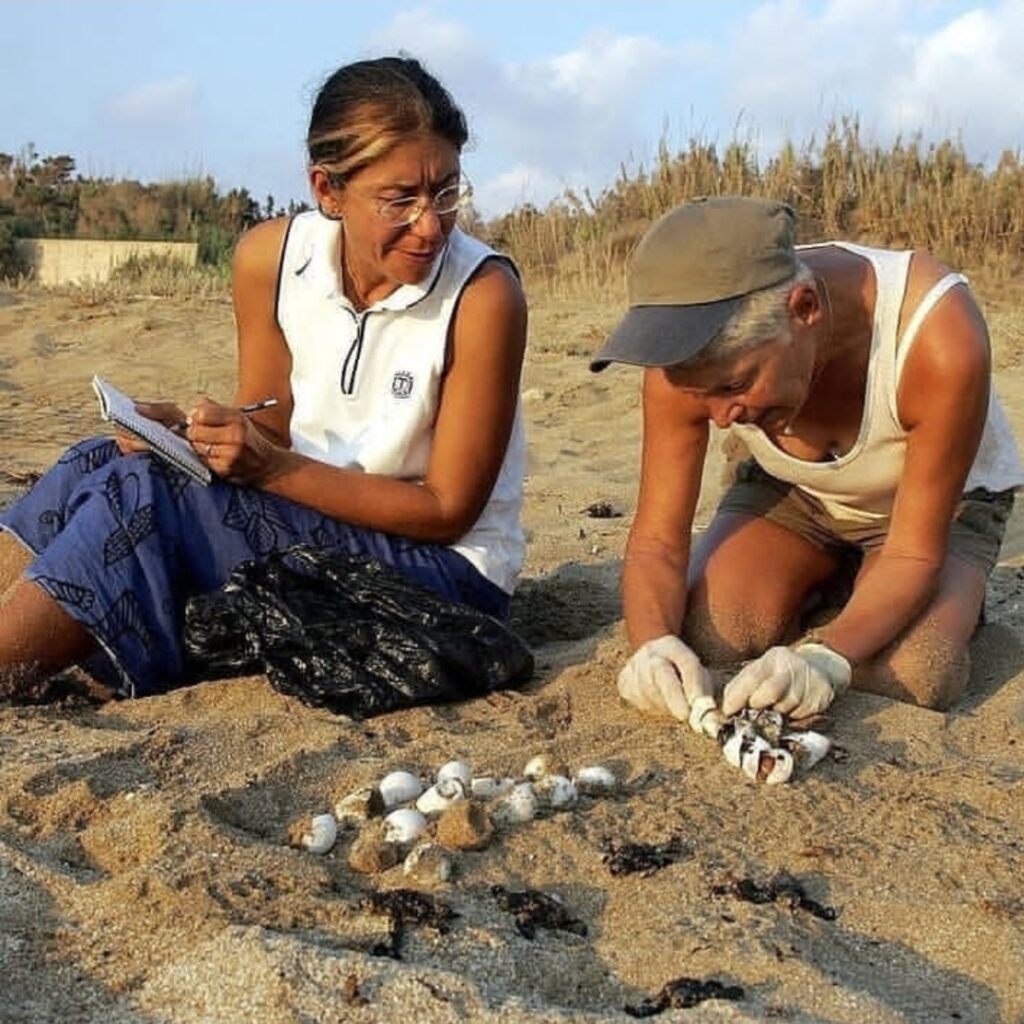
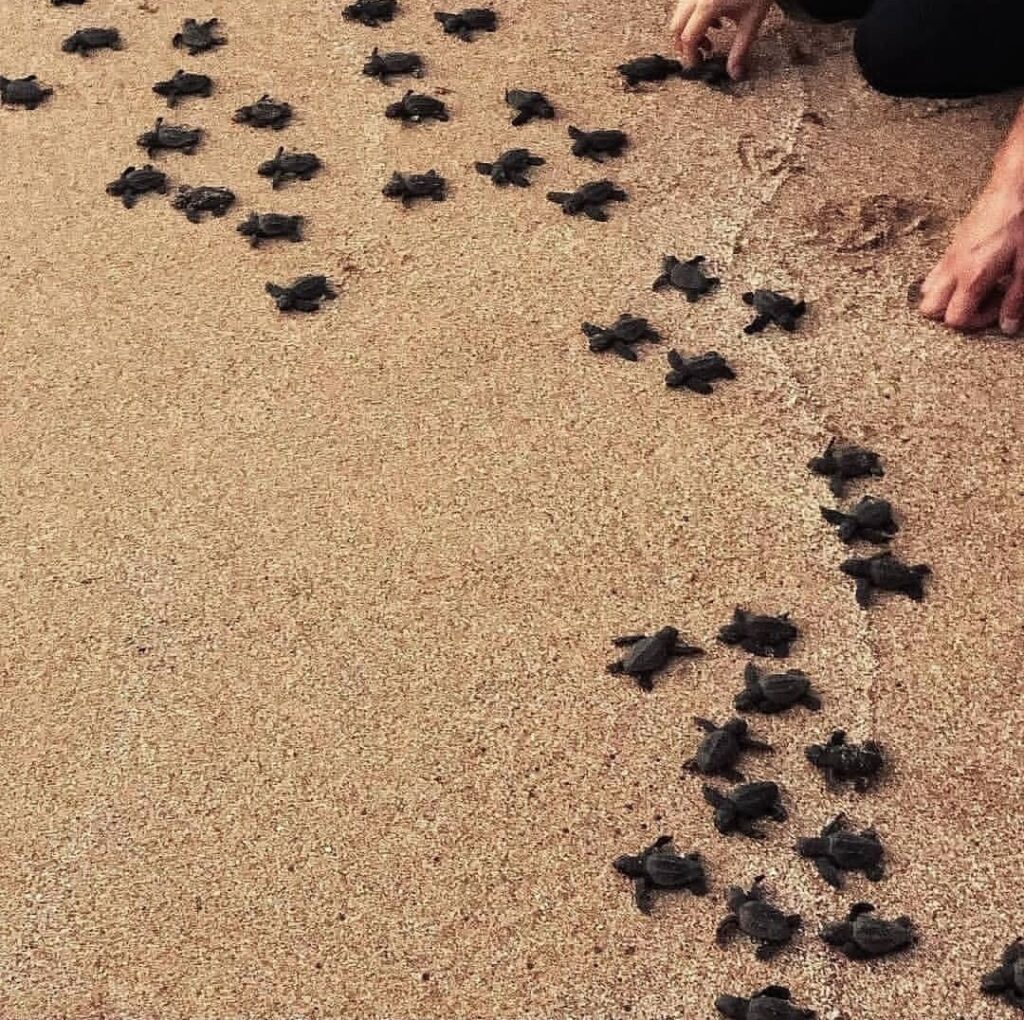
What began with a chance encounter in 1999-watching a sea turtle emerge from the sea to lay her eggs on Al Mansouri beach-became a lifelong mission. Mona transformed her family’s seaside home into the Orange House, a unique centre for environmental conservation, ecological education, scientific monitoring, and responsible ecotourism. Each nesting season, volunteers from Lebanon and around the world gathered there to patrol the beaches at night, protect vulnerable nests, monitor hatchlings, and introduce visitors to the extraordinary biodiversity of the Lebanese coast.
Her work demonstrated that conservation is ultimately an act of hope. The Orange House became far more than a field station; it became a place where people learned that protecting nature also means protecting memory, identity, and the future. Through her tireless efforts, generations of young environmentalists discovered that stewardship begins with care for one’s own landscape.
For ICOMOS, whose mission is to safeguard cultural heritage, Mona’s legacy is a powerful reminder that cultural and natural heritage are inseparable. Coastal landscapes such as those around Tyre tell stories shaped not only by archaeology and history, but also by living ecosystems that have sustained communities for millennia. Preserving these places requires protecting both the traces of the past and the life that continues to flourish within them.
As we look at this aerial view of the coast, we remember not only its beauty, but also the person who dedicated her life to ensuring that future generations would continue to witness sea turtles returning to these shores.
May Mona Khalil’s legacy continue to inspire all those who believe that protecting heritage-whether cultural or natural-is ultimately an act of protecting humanity itself.
Collaborating Authorities & Organizations
ICOMOS Lebanon works in coordination with national authorities and in alignment with international heritage frameworks, including those of ICOMOS International, UNESCO, ICCROM, IUCN, and Blue Shield.


Join our Work
For inquiries, please contact us at icomoslebanon@icomos.org for any furtherinformation or collaboration opportunities.