
Byblos
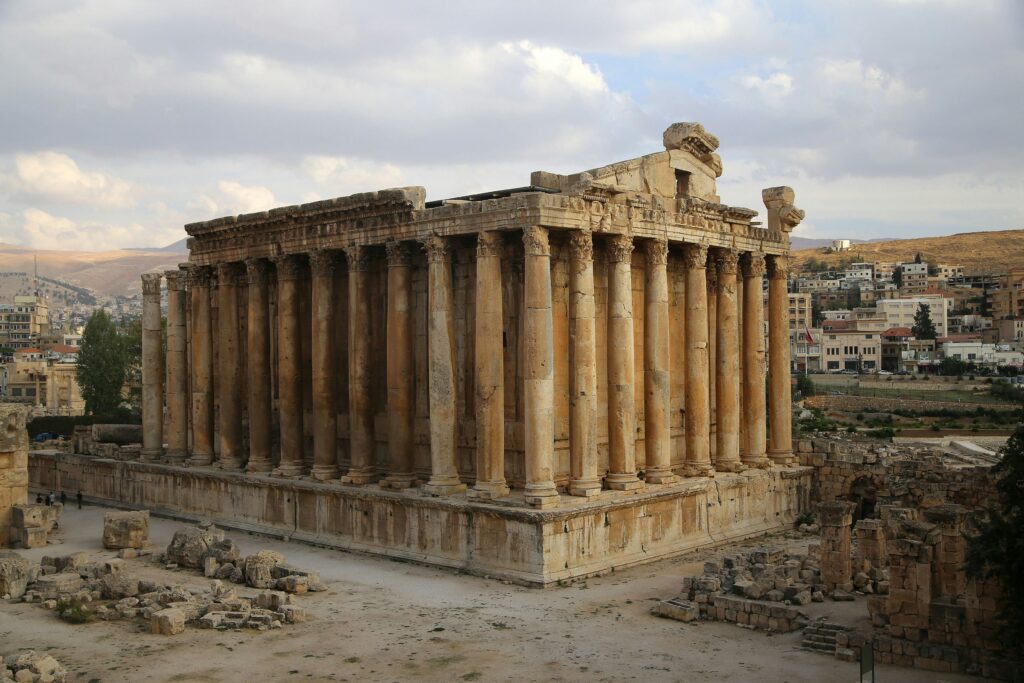
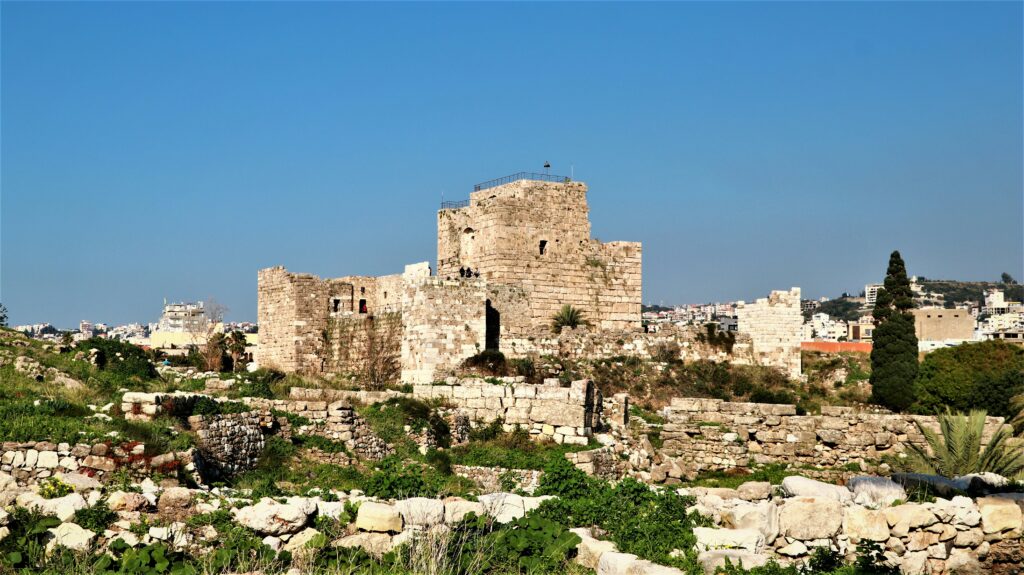
World Heritage Site Byblos One of the oldest continuously inhabited cities in the world, Byblos is where the Phoenician alphabet was born. Historical Significance Inhabited since at least 5000 BCE, Byblos (Jbeil) is considered one of the oldest cities in the world with continuous habitation. It was the most important Phoenician port from which cedar wood and papyrus were shipped across the Mediterranean. The very word ‘Bible’ derives from the Greek name for Byblos, a testament to its association with writing and trade in papyrus scrolls. The city played a crucial role in the diffusion of the Phoenician alphabet, the ancestor of virtually all modern alphabets. Archaeological Layers Walking through Byblos is like reading an open book of human civilization. The site contains Neolithic dwellings, Chalcolithic houses, Early Bronze Age temples, Egyptian-influenced structures, a Phoenician royal necropolis, Persian fortifications, a Roman colonnade and amphitheater, a Crusader castle, and Ottoman-era architecture. Each layer coexists, creating a palimpsest of Mediterranean history that spans seven millennia. Byblos – Captured by Ali Hamada Modern Byblos Today, Byblos thrives as a charming coastal town where the ancient port is lined with restaurants and the medieval souk bustles with artisan shops. The city successfully balances tourism with heritage conservation, serving as a model for sustainable cultural tourism in the region. Annual festivals, including a renowned international music festival, ensure the city’s cultural vitality continues into the modern era. Quick Facts Region Mount Lebanon Period Neolithic – Ottoman Inscribed 1984 Criteria (iii)(iv)(vi) View on UNESCO Open User Map This block will show your Locations on a map in the front end. Custom Map Position (optional): Latitude Longitude Zoom Filter Locations (optional): Filter by Marker Categories [PRO] Filter by POST IDs Witness damage or threat to this site? Report it immediately. Report a Threat Report