Cultural Properties

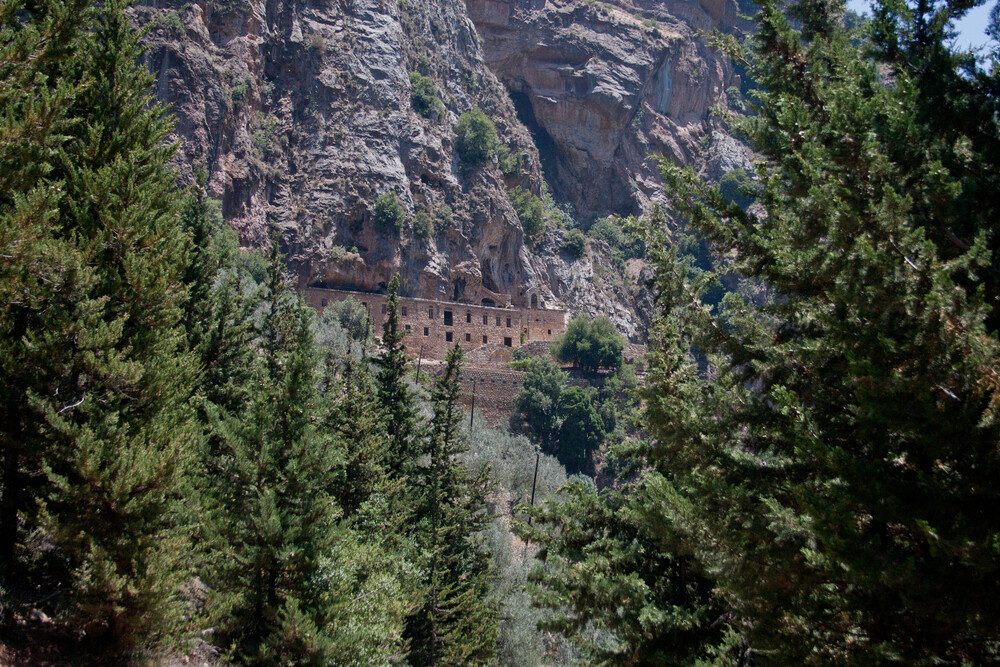
Monastery buildings set into the rocky cliffs of the Qadisha Valley, Lebanon, surrounded by dense forest.

The Holy Valley (Qadisha) and the Forest of the Cedars of God

World Heritage Site The Holy Valley (Qadisha) and the Forest of the Cedars of God The Holy Valley and its ancient cedars form one of the most important early Christian monastic landscapes. Historical Significance The Qadisha Valley has served as a refuge for religious communities since the earliest centuries of Christianity. The Temple Complex At the head of the valley stands one of the last remaining groves of the Cedars of Lebanon. Photo © Sara Calado / Unsplash Spiritual & Natural Heritage The inscribed property uniquely combines cultural and natural heritage. Quick Facts Region                    North Lebanon Period                    4th century – present Inscribed               1998 Criteria                  (iii)(iv) View on UNESCO Open User Map This block will show your Locations on a map in the front end. Custom Map Position (optional): Latitude Longitude Zoom Filter Locations (optional): Filter by Marker Categories [PRO] Filter by POST IDs Witness damage or threat to this site? Report it immediately. Report a Threat Report

The Holy Valley (Qadisha) and the Forest of the Cedars of God Read More »
Rachid Karami International Fair-Tripoli

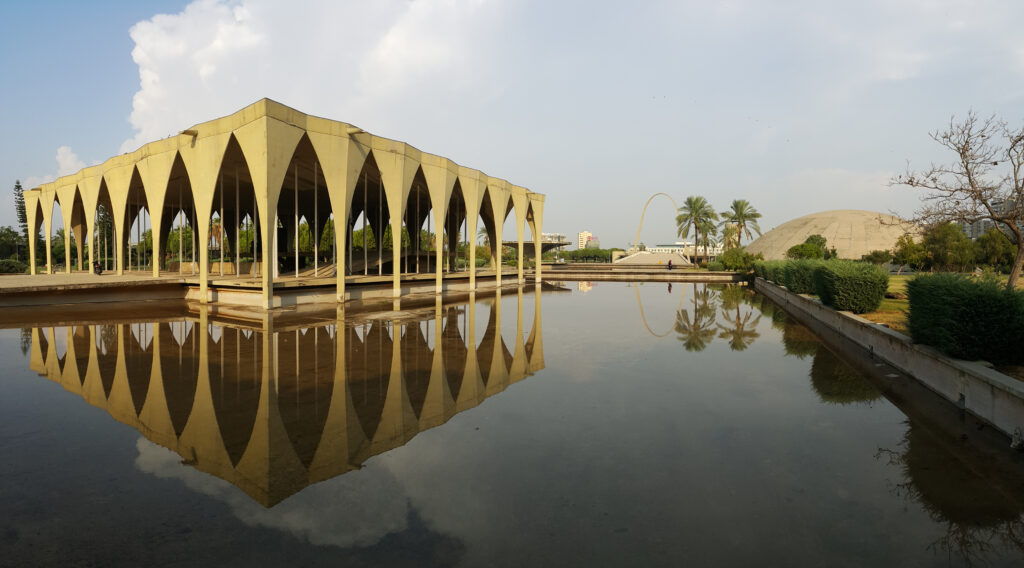
World Heritage Site Rachid Karami International Fair -Tripoli A masterpiece of Modernist architecture by Oscar Niemeyer, Lebanon’s most recent UNESCO inscription. Historical Significance Commissioned in 1962, the fairground was designed by the legendary Brazilian architect Oscar Niemeyer. Architectural Vision The complex spans approximately 70 hectares and features 15 structures including a sweeping experimental theater. Photo © Jad Tabet / UNESCO Conservation & Future The site’s inscription on the World Heritage List in 2023 marked a significant milestone for Lebanon’s modern heritage. Quick Facts Region                   Tripoli Inscribed               2023 Criteria                  (ii)(iv) View on UNESCO Open User Map This block will show your Locations on a map in the front end. Custom Map Position (optional): Latitude Longitude Zoom Filter Locations (optional): Filter by Marker Categories [PRO] Filter by POST IDs Witness damage or threat to this site? Report it immediately. Report a Threat Report

Rachid Karami International Fair-Tripoli Read More »

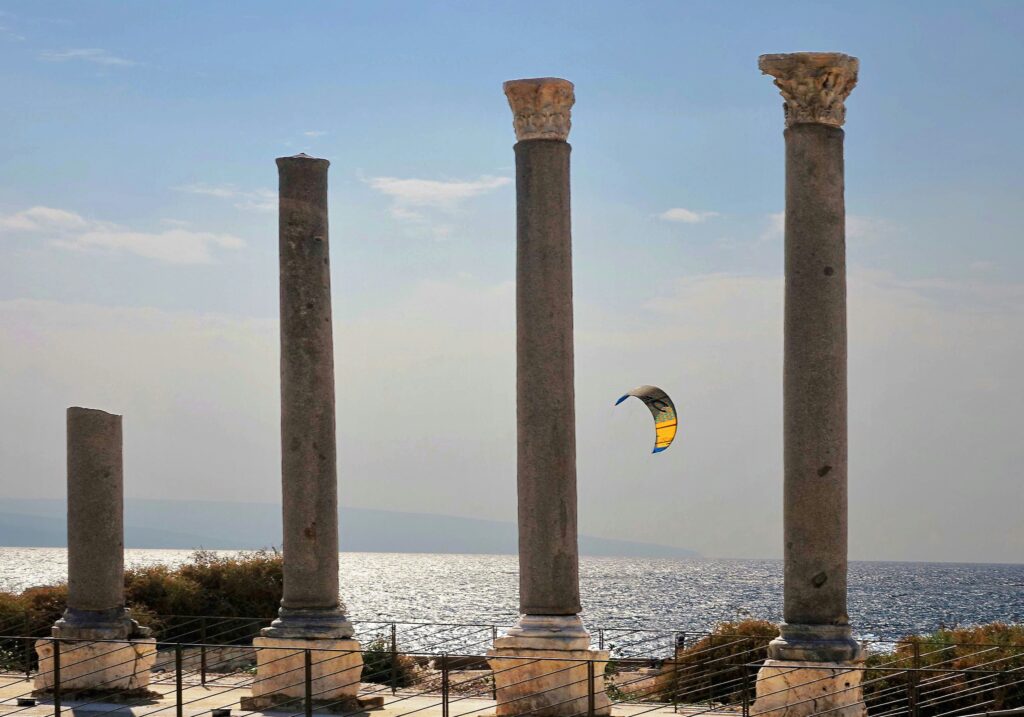
Stone columns of the ancient ruins of Tyre, Lebanon, standing along the Mediterranean coast with the sea in the background.

Tyre

World Heritage Site Tyre Once the great Phoenician maritime power, Tyre’s archaeological remains reveal millennia of Mediterranean civilization. Historical Significance Founded around the third millennium BCE, Tyre rose to become the dominant Phoenician city-state. Archaeological Sites Tyre’s archaeological area includes one of the largest and best-preserved Roman hippodromes ever discovered. Photo © Tim Broadbent / Unsplash The Living Heritage According to legend, purple dye was invented in Tyre. This great Phoenician city ruled the seas and founded prosperous colonies such as Cadiz and Carthage, but its historical role declined at the end of the Crusades. There are important archaeological remains, mainly from Roman times. Quick Facts Region                    South Lebanon Period                    Phoenician / Roman / Byzantine Inscribed               1984 Criteria                   (iii)(vi) View on UNESCO Open User Map This block will show your Locations on a map in the front end. Custom Map Position (optional): Latitude Longitude Zoom Filter Locations (optional): Filter by Marker Categories [PRO] Filter by POST IDs Witness damage or threat to this site? Report it immediately. Report a Threat Report

Tyre Read More »

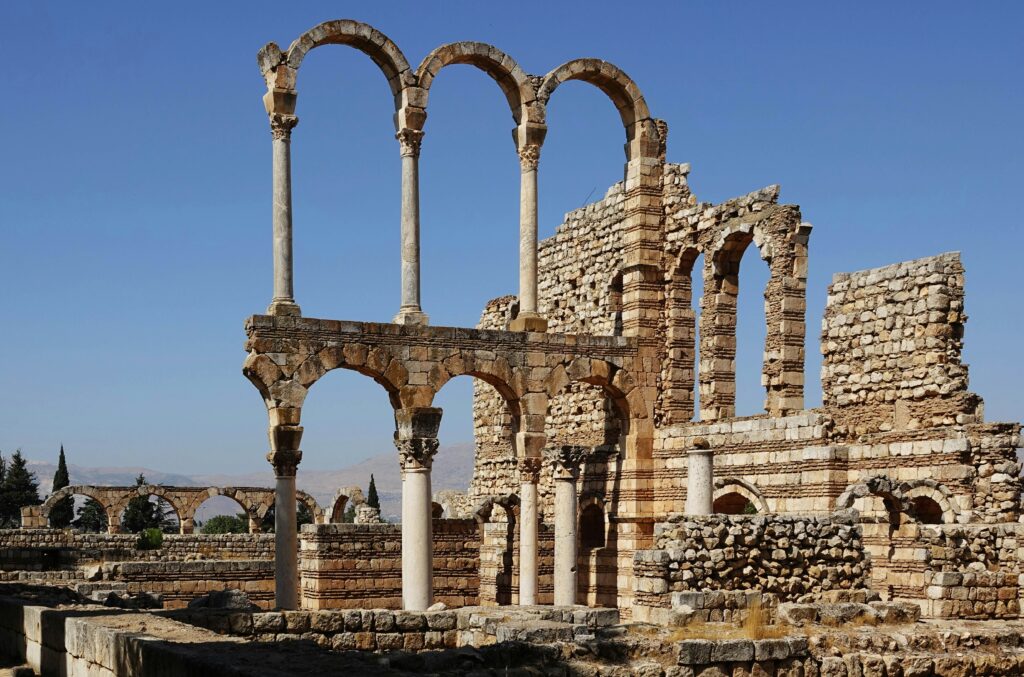
Ruins of the Umayyad city of Anjar in Lebanon, showing stone arches and columns of a Roman-influenced structure under a clear blue sky.

Anjar

World Heritage Site Anjar A unique testimony to the Umayyad civilization, Anjar’s ruins reveal an exceptionally well-planned early Islamic city. Historical Significance Founded by Caliph Walid I at the beginning of the 8th century, Anjar stands as the only example of an inland commercial center from the Umayyad period. Architecture & Layout The rectangular city plan measures approximately 385 by 350 meters, enclosed by fortified walls with semicircular towers and a gateway at each cardinal point. Anjar – Captured by Conservation Challenges Anjar faces ongoing threats from urban encroachment and agricultural expansion in the Bekaa Valley. Quick Facts Region                   Bekaa Valley Period                    Umayyad (8th century) Inscribed               1984 Criteria                   (iii)(iv) View on UNESCO Open User Map This block will show your Locations on a map in the front end. Custom Map Position (optional): Latitude Longitude Zoom Filter Locations (optional): Filter by Marker Categories [PRO] Filter by POST IDs Witness damage or threat to this site? Report it immediately. Report a Threat Report

Anjar Read More »

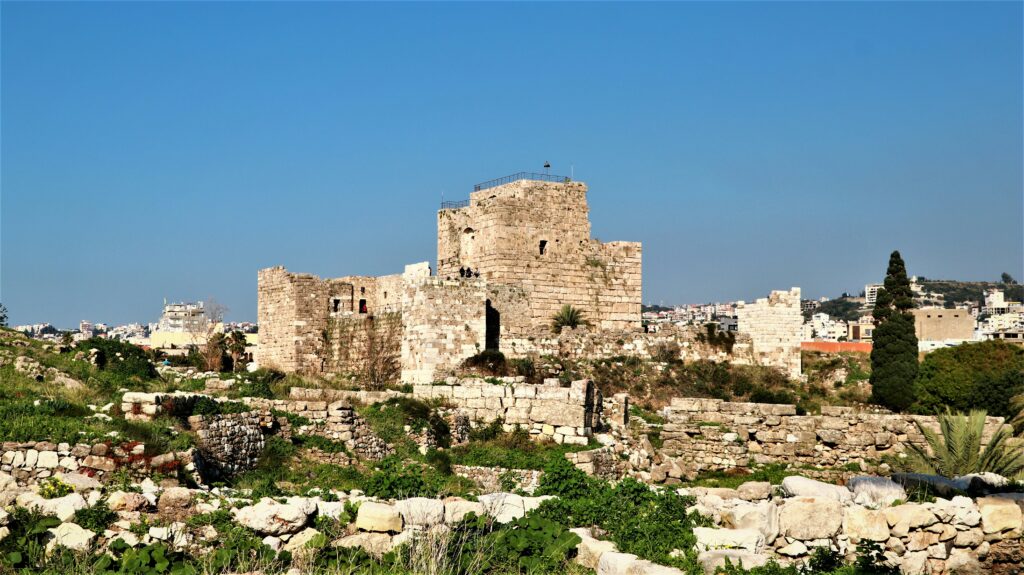
stone fortifications of the byblos citadel, lebanon, surrounded by archaeological remains and greenery under a clear sky.

Byblos

World Heritage Site Byblos One of the oldest continuously inhabited cities in the world, Byblos is where the Phoenician alphabet was born. Historical Significance Inhabited since at least 5000 BCE, Byblos (Jbeil) is considered one of the oldest cities in the world with continuous habitation. It was the most important Phoenician port from which cedar wood and papyrus were shipped across the Mediterranean. The very word ‘Bible’ derives from the Greek name for Byblos, a testament to its association with writing and trade in papyrus scrolls. The city played a crucial role in the diffusion of the Phoenician alphabet, the ancestor of virtually all modern alphabets. Archaeological Layers Walking through Byblos is like reading an open book of human civilization. The site contains Neolithic dwellings, Chalcolithic houses, Early Bronze Age temples, Egyptian-influenced structures, a Phoenician royal necropolis, Persian fortifications, a Roman colonnade and amphitheater, a Crusader castle, and Ottoman-era architecture. Each layer coexists, creating a palimpsest of Mediterranean history that spans seven millennia. Byblos – Captured by Ali Hamada Modern Byblos Today, Byblos thrives as a charming coastal town where the ancient port is lined with restaurants and the medieval souk bustles with artisan shops. The city successfully balances tourism with heritage conservation, serving as a model for sustainable cultural tourism in the region. Annual festivals, including a renowned international music festival, ensure the city’s cultural vitality continues into the modern era. Quick Facts Region                   Mount Lebanon Period                    Neolithic – Ottoman Inscribed               1984 Criteria                  (iii)(iv)(vi) View on UNESCO Open User Map This block will show your Locations on a map in the front end. Custom Map Position (optional): Latitude Longitude Zoom Filter Locations (optional): Filter by Marker Categories [PRO] Filter by POST IDs Witness damage or threat to this site? Report it immediately. Report a Threat Report

Byblos Read More »

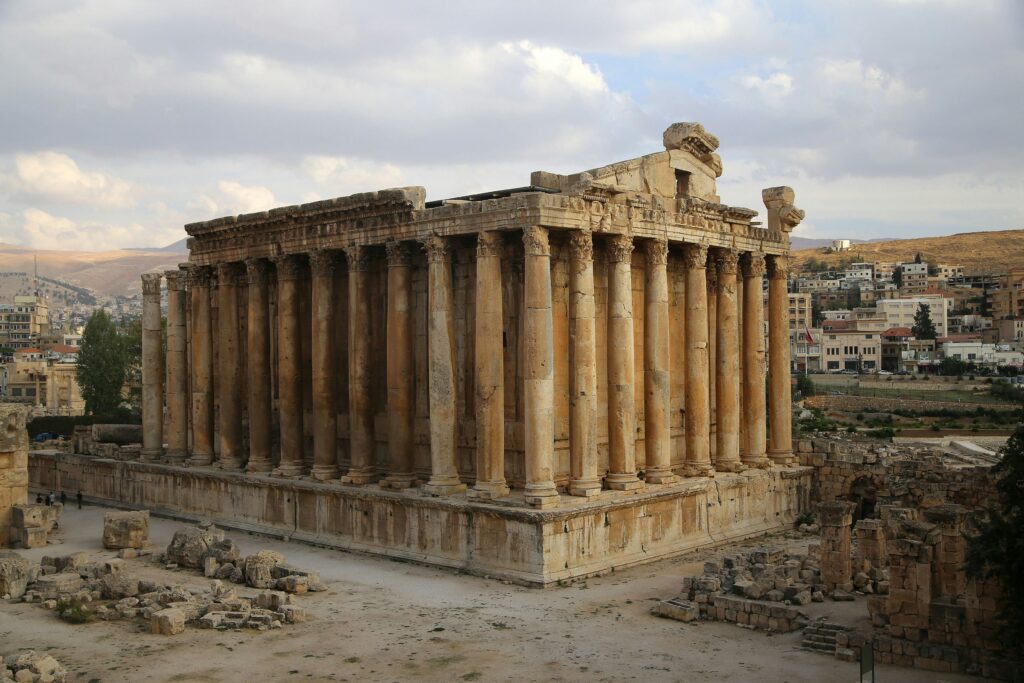
roman temple ruins at baalbek, lebanon, with rows of stone columns and surrounding archaeological remains.

Baalbek

World Heritage Site Baalbek Home to some of the best-preserved and grandest Roman temple ruins in the world, Baalbek is a testament to imperial Roman architecture. Historical Significance Known as Heliopolis in antiquity, Baalbek was one of the largest sanctuaries in the Roman Empire and a pilgrimage destination for thousands. The site’s religious importance predates the Romans — the Phoenicians venerated Baal here, and the Greeks identified it with Helios, the sun god. The Romans transformed it over two centuries into a monumental complex that rivaled anything in Rome itself. Its sheer scale was intended to project imperial power to the eastern provinces. The Temple Complex The Temple of Jupiter, originally surrounded by 54 colossal Corinthian columns (of which six still stand at 22 meters), remains one of the largest temples ever built. Adjacent stands the remarkably intact Temple of Bacchus, considered the best-preserved Roman temple of its size anywhere in the world. The circular Temple of Venus, with its graceful colonnade, showcases a more intimate architectural expression. The Trilithon — three massive stones weighing approximately 800 tons each — continues to fascinate engineers and archaeologists. Baalbek – Captured by Rolf Neumann The Living Heritage Baalbek is not merely an archaeological relic but a living cultural venue. The Baalbek International Festival, held annually among the temple ruins since 1956, has hosted legendary performers from Ella Fitzgerald to Fairuz, bridging ancient heritage with contemporary culture. This dual identity as both a monument and a stage makes Baalbek uniquely vital in Lebanon’s cultural landscape. Quick Facts Region                   Bekaa Valley Period                    Phoenician / Roman Inscribed               1984 Criteria                  (i)(iv) View on UNESCO Open User Map This block will show your Locations on a map in the front end. Custom Map Position (optional): Latitude Longitude Zoom Filter Locations (optional): Filter by Marker Categories [PRO] Filter by POST IDs Witness damage or threat to this site? Report it immediately. Report a Threat Report

Baalbek Read More »