
Cultural Heritage Protection

Byblos in Paris

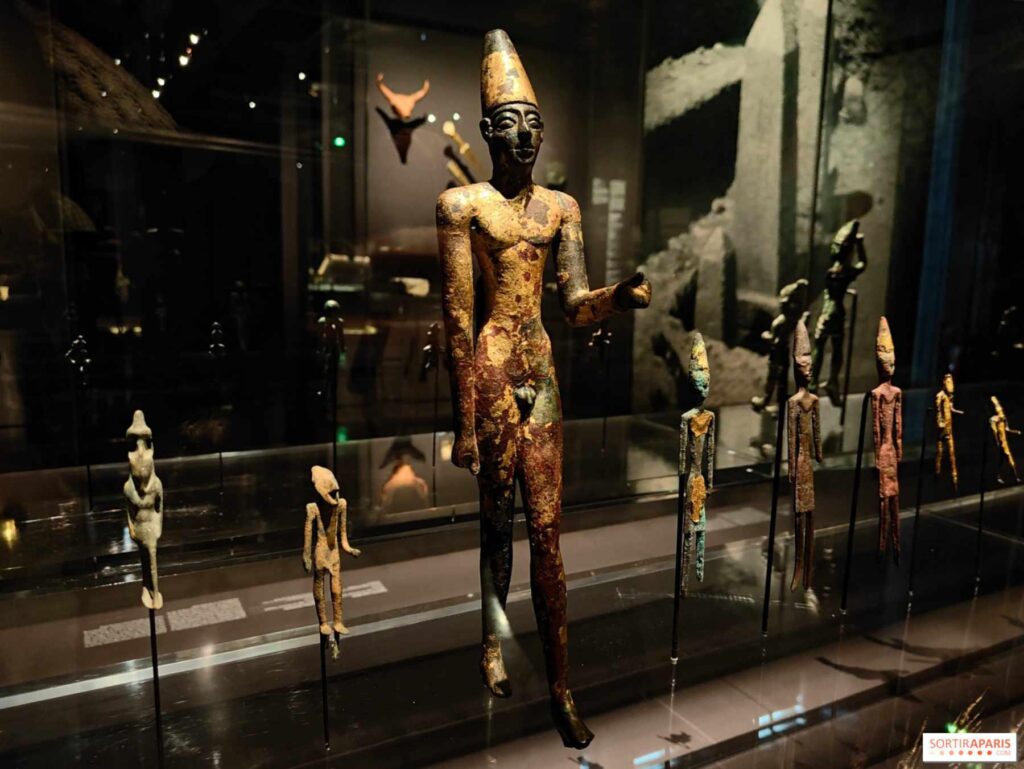
“Byblos in Paris”: Macron Highlights Lebanese Heritage and Calls for Its Protection March 29, 2026 ICOMOS Lebanon Source Byblos, Cultural Heritage Protection, Lebanese Cultural Heritage French President Emmanuel Macron officially opened the exhibition “Byblos in Paris”, dedicated to showcasing the historical and cultural richness of Lebanon’s heritage. The exhibition focuses on the ancient city of Byblos, presenting its long history and archaeological significance to an international audience, and reaffirming its status as one of the world’s oldest continuously inhabited cities. Speaking at the event, Macron underlined the importance of protecting cultural heritage, particularly in regions affected by conflict. He warned against threats to heritage sites and stressed that such landmarks must be preserved as part of a shared human legacy. The initiative takes place against a backdrop of ongoing regional tensions, drawing attention to the risks faced by cultural sites in Lebanon and across the Middle East. It also reinforces the broader call for adherence to international frameworks aimed at safeguarding heritage during times of crisis. Byblos: The Millennial City of Lebanon is open until August 23, 2026 at the Arab World Institute.
Byblos in Paris Read More »

ICOMOS Statement on the Protection of Cultural Heritage Amid Escalating Conflict

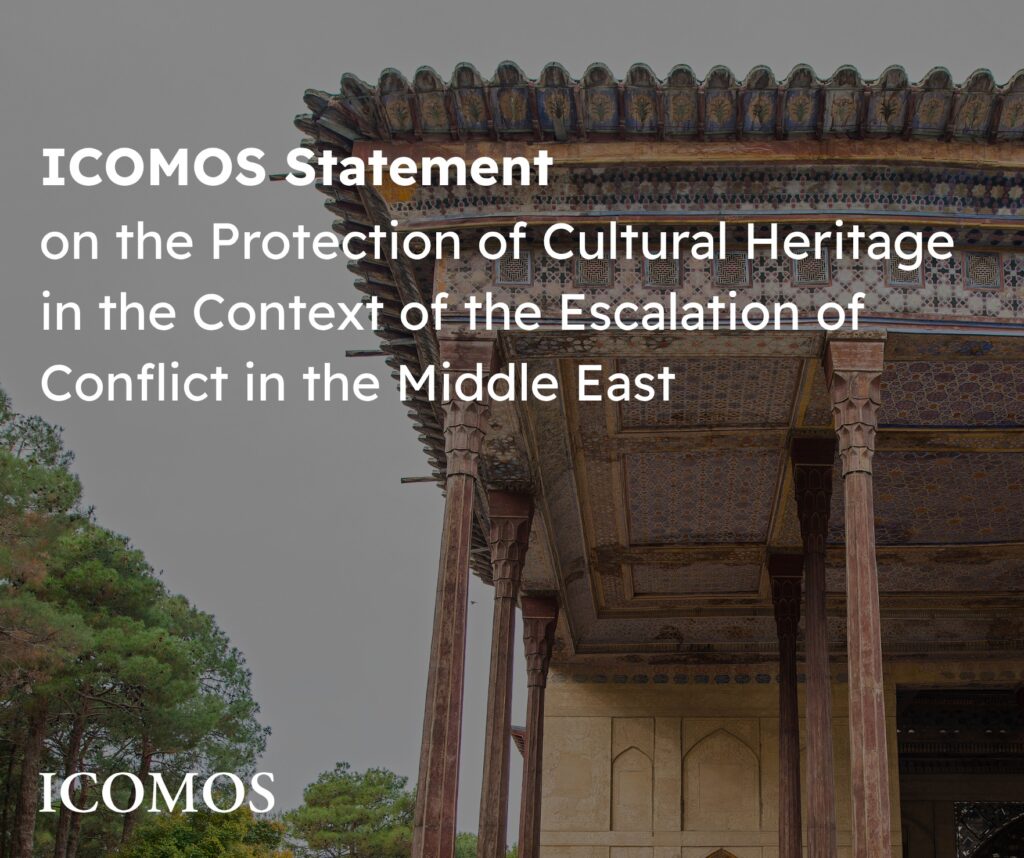
ICOMOS Statement on the Protection of Cultural Heritage Amid Escalating Conflict March 26, 2026 ICOMOS Lebanon Source Armed Conflict, Cultural Heritage Protection, ICOMOS Statement ICOMOS Lebanon aligns with the position of ICOMOS International and reiterates its deep concern regarding the recent escalation of conflict in the Middle East and its devastating human consequences, including the loss of life, increasing casualties, and the displacement of populations, with serious implications for cultural continuity. ICOMOS strongly condemns any destruction – whether intentional or incidental-of cultural and natural heritage, and recalls that cultural heritage must never be considered a target. Serious concern is raised over confirmed and reported damage to cultural heritage across the region, including impacts on several World Heritage properties. These include damage to sites such as the archaeological site of Tyre. Such incidents highlight the risk of irreversible loss. Cultural heritage constitutes an essential component of social structures, sustaining identity, continuity, and cohesion, particularly in times of crisis and displacement. ICOMOS recalls the obligations set out under the 1954 Hague Convention for the Protection of Cultural Property in the Event of Armed Conflict and its Protocols. It further notes that serious violations, including the destruction of cultural property, may entail individual criminal responsibility under international humanitarian law, including under the Rome Statute of the International Criminal Court. ICOMOS calls on all parties to fully respect their obligations under international law and to ensure the protection of cultural heritage and the communities who sustain it.

ICOMOS Statement on the Protection of Cultural Heritage Amid Escalating Conflict Read More »

Blue graphic with the UNESCO logo and the words “UNESCO Statement” centered on a plain background.

UNESCO Calls for Protection of Culture, Education, Media and the Environment Amid Escalating Tensions

UNESCO Calls for Protection of Culture, Education, Media and the Environment Amid Escalating Tensions   Source: UNESCO LinkedIn UNESCO has expressed serious concern over the deteriorating security situation in the Middle East and the growing risks facing education systems, cultural heritage, media professionals, scientific cooperation, and fragile environmental sites. UNESCO calls on all parties to exercise maximum restraint and to take all necessary measures to safeguard education, culture, media, science, and the environment as essential foundations of societies. The Organization has communicated the geographical coordinates of World Heritage properties, sites on national Tentative Lists, and those under Enhanced Protection in order to help prevent damage during ongoing hostilities. UNESCO further recalls the obligations of all parties under international law, including the 1954 Hague Convention for the Protection of Cultural Property in the Event of Armed Conflict and the 1972 World Heritage Convention. It also reiterates the need to protect schools, students, education personnel, journalists, and media professionals in accordance with relevant UN Security Council resolutions.  

UNESCO Calls for Protection of Culture, Education, Media and the Environment Amid Escalating Tensions Read More »