
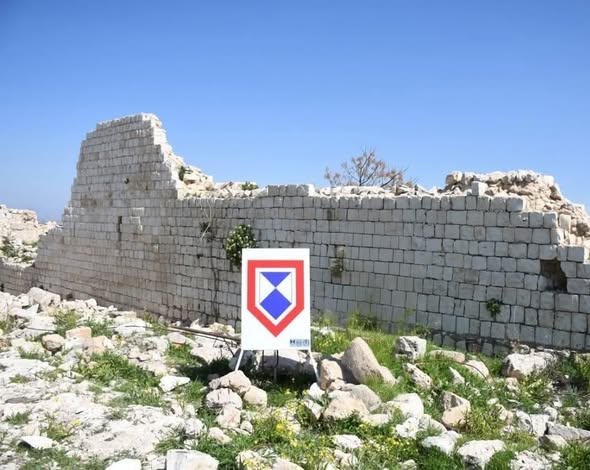
A Protected Site, Unprotected Reality: The Attack on Chamaa
A Protected Site, An Unprotected Reality: The Attack on the Citadel of Chamaa April 13, 2026 ICOMOS Lebanon Source Armed Conflict, Blue Shield, Enhanced Protection, Hague Convention 1954 In the wake of escalating hostilities and repeated attacks on cultural heritage across Lebanon, ICOMOS Lebanon expresses its deep concern and unequivocal condemnation following the severe targeting of the historic site of Chamaa and the village enclosed within the walls of its ancient citadel. A Site Under Enhanced Protection Chamaa is not an ordinary site. It is recognized for its outstanding cultural significance and is inscribed on the Enhanced Protection List under the 1954 Hague Convention for the Protection of Cultural Property. This designation represents the highest level of international legal protection granted to cultural heritage in times of armed conflict. As outlined in the 2026 ICOMOS Lebanon coverage of the Fifth Extraordinary Meeting, Lebanon secured enhanced protection status for 39 of its most vulnerable cultural sites in addition to the 34 previously listed sites following escalating threats in 2024. This recognition was not symbolic; it imposed binding obligations on all parties to refrain from targeting, damaging, or using these sites for military purposes. Among these, the Citadel of Chamaa holds exceptional cultural and religious importance. It is not merely an architectural landmark, but a place where Christian and Islamic traditions intersect. Revered across faiths, the site reflects centuries of coexistence and spiritual continuity in southern Lebanon. Historical and religious sources converge on the elevated status of Simon Cephas, known in Arabic as Shamaoun al-Safa, one of the foremost disciples of Jesus Christ and bearer of the title “Rock of the Church.” According to local traditions, the citadel represents, for Christians, a sacred link to Saint Peter, regarded as the founder of the Apostolic See and a missionary in the Levant. For Muslims, it is tied to the legacy of Prophet ʿĪsā (Jesus) and his entrusted disciple, revered as a guardian of divine knowledge and often honored among the prophets or righteous saints who paved the way for later revelations. The Citadel of Chamaa was never merely a religious shrine; it stood as a symbol of coexistence. Within its walls, Islamic and Christian narratives met under one roof, making it a living model of southern Lebanon’s diverse and open identity. A Repeatedly Damaged Heritage Landscape The attack on Chamaa is not an isolated incident. The site has already suffered damage in previous conflicts and has undergone extensive restoration efforts over the years. Its destruction today represents the erasure of layers of history that communities have worked tirelessly to preserve. Beyond its architectural and archaeological value, Chamaa is a living heritage site, a village embedded within its historic fabric, where memory, identity, and daily life intersect. The targeting of such a site is therefore not only a violation of international law, but a direct assault on the cultural continuity and dignity of its people. For further context on Lebanon’s cultural assets at risk, refer to the ICOMOS Lebanon heritage sites overview, which details those granted enhanced protection status, including the Chamaa Citadel, officially added to the list in 2024. A Breakdown of Protection Mechanisms This attack highlights a deeply concerning reality: even the highest levels of international protection are failing to prevent the destruction of cultural heritage in active conflict zones. Despite multiple statements and alerts issued by UNESCO and ICOMOS International, and despite the legal frameworks established under international conventions, violations continue with alarming frequency. This raises critical questions about enforcement, accountability, and the effectiveness of existing protection mechanisms in contemporary warfare contexts. Call to Action In light of these developments, ICOMOS Lebanon calls upon: The international community Relevant United Nations bodies Cultural and heritage institutions to take immediate and concrete action: Uphold and enforce international conventions protecting cultural heritage Strengthen monitoring and response mechanisms in conflict zones Ensure accountability for violations of international cultural protection frameworks Heritage Protection as a Foundation for Peace Protecting cultural heritage is not a secondary concern in times of war. It is inseparable from the protection of human life, dignity, and identity. The destruction of heritage is often a precursor – or a companion – to the destruction of communities themselves. Safeguarding sites like Chamaa is therefore not only about preserving the past, but about defending the foundations of peace, resilience, and collective memory. Video Evidence of the Attack, trending on 𝕏 https://lebanon.icomos.org/wp-content/uploads/2026/04/Historic-site-of-Chamaa-Ancient-Citadel-Video.mp4
A Protected Site, Unprotected Reality: The Attack on Chamaa Read More »