
Tyre
Once the great Phoenician maritime power, Tyre’s archaeological remains reveal millennia of Mediterranean civilization.
Historical Significance
Founded around the third millennium BCE, Tyre rose to become the dominant Phoenician city-state.
Archaeological Sites
Tyre’s archaeological area includes one of the largest and best-preserved Roman hippodromes ever discovered.
The Living Heritage
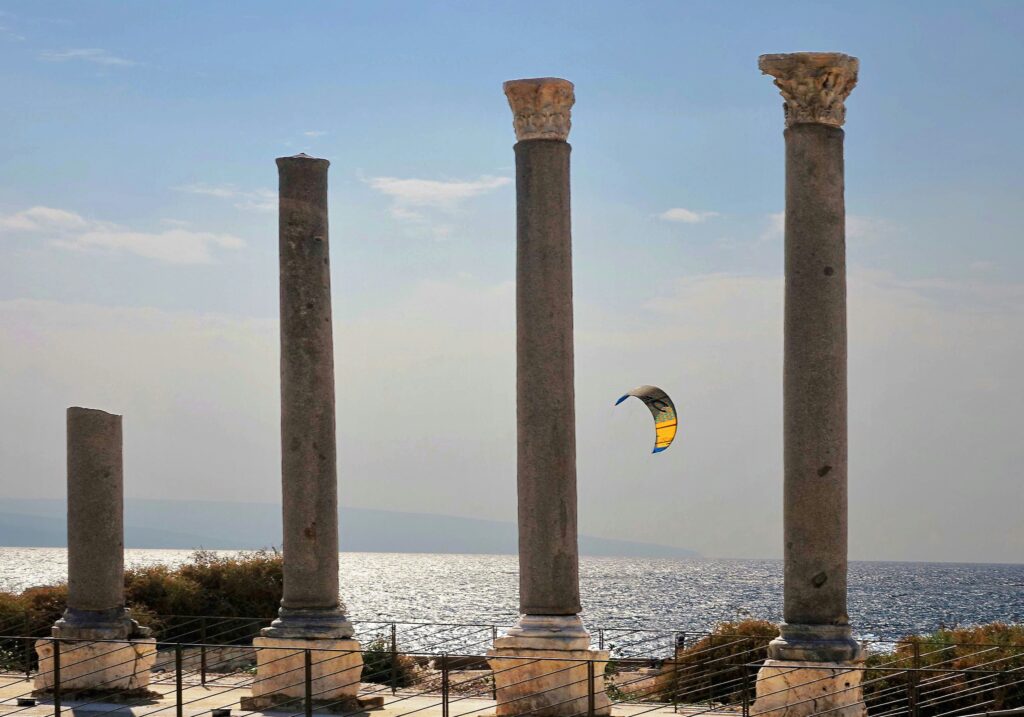
According to legend, purple dye was invented in Tyre. This great Phoenician city ruled the seas and founded prosperous colonies such as Cadiz and Carthage, but its historical role declined at the end of the Crusades. There are important archaeological remains, mainly from Roman times.
Quick Facts
- Region South Lebanon
- Period Phoenician / Roman / Byzantine
- Inscribed 1984
- Criteria (iii)(vi)